INTERNATIONAL – In the face of rising global security risks, the professions of security personnel and bodyguards are increasingly recognized as essential elements in maintaining stability across various international sectors. Far beyond simple physical protection, their roles have evolved into a strategic protection system for individuals, multinational corporations, and heads of state.
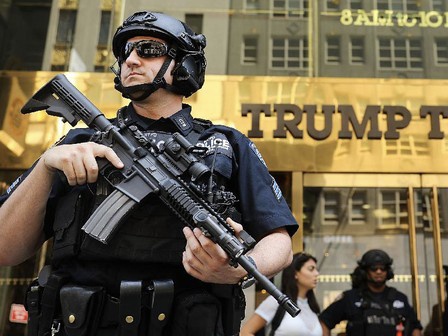
In many developed countries, security officers serve as the first line of defense in preventing criminal activities, monitoring access control, and managing emergency situations in office buildings, business centers, and public facilities. Meanwhile, bodyguards have more specialized duties, focusing on protecting high-risk individuals such as government officials, diplomats, celebrities, and major business figures from direct threats.
On an international scale, these professions are governed by strict training standards that include tactical skills, emergency communication, risk analysis, and counter-terrorism response. Countries such as the United States, the United Kingdom, and several European nations even position the security profession as part of a highly vital non-military defense system.
From a global perspective, the presence of security personnel and bodyguards also contributes to economic stability. Investment companies and large corporations heavily rely on strong security systems to safeguard assets, data, and employee safety across different countries.
“Without a professional security system, global business mobility and international diplomacy cannot operate safely and efficiently,” said an international security expert.
With increasing global threats such as terrorism, cybercrime, and social conflict, the role of security personnel and bodyguards is expected to become even more strategic in the future.***